
Welcome!
We’re glad you’re here.
Mission Statement
Meedk is dedicated to increasing knowledge, education, and research related to brain health among the global Armenian population.
We are particularly dedicated to the open exchange of translated educational resources for Armenians worldwide, whether they be patients, caregivers, loved ones, or health care professionals.
Additionally, we aim to foster a pipeline of young Armenian trainees and early career professionals through mentorship and networking opportunities, with content ranging from coverage of clinical disorders, clinical practice, research, and professional development.
Finally, we are available for collaboration and dissemination of educational seminars/webinar presentations covering topics related to brain health among individuals of Armenian descent.

Meet the team
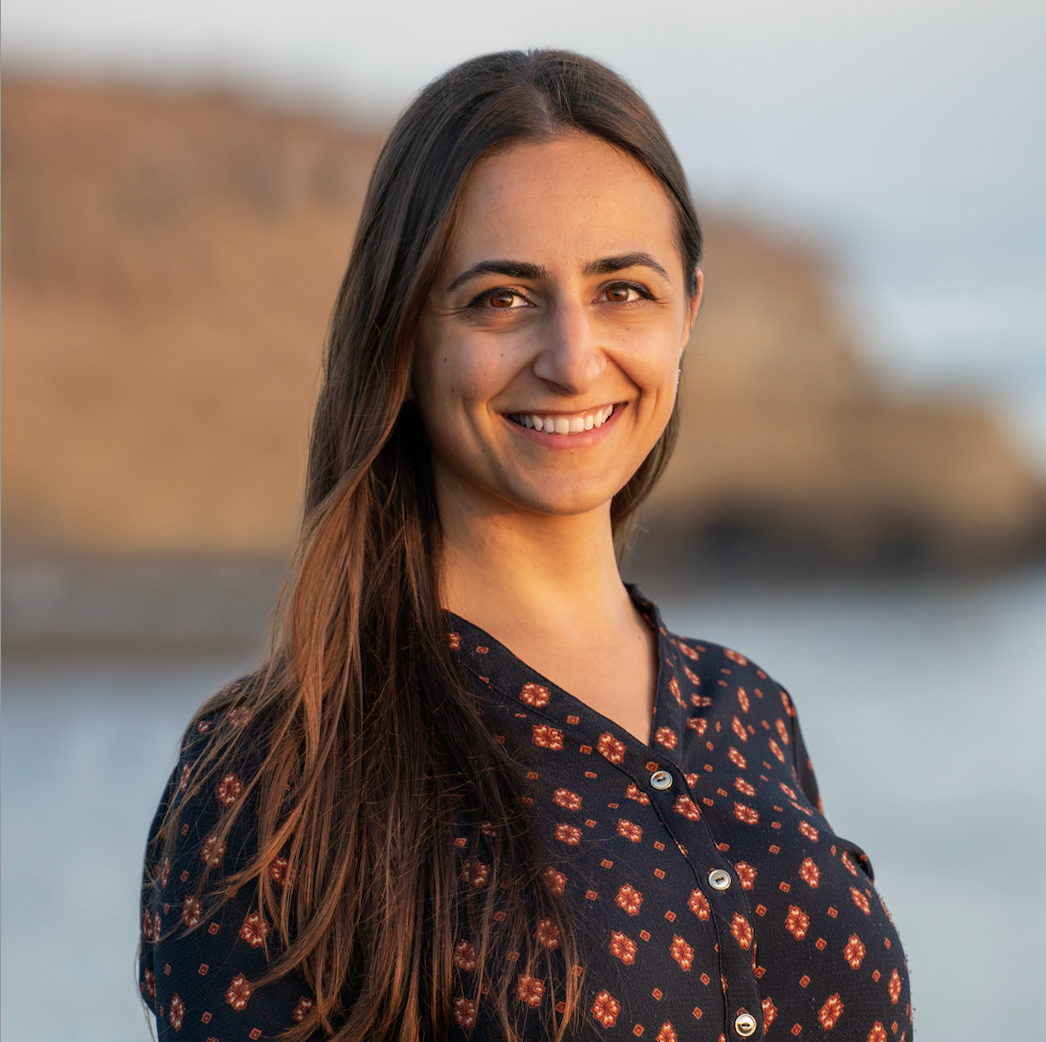
Maral Aghvinian Vartanian, Ph.D.
Maral (she/her) is a licensed clinical neuropsychologist. She earned her doctoral degree in clinical psychology specializing in neuropsychology from Fordham University, and completed her post-doctoral fellowship in neuropsychology from the San Francisco Veterans Affair Medical Center and UCSF Memory and Aging and Epilepsy Centers. Her research interests include investigating the role of sociocultural factors that uniquely impact brain health outcomes among culturally and linguistically diverse populations. Clinically, she is interested in offering services across the lifespan, in particular to older adults and Armenian speaking patients.

Lily Kamalyan, Ph.D.
Lily (she/her) is a licensed clinical neuropsychologist, currently conducting research and clinical work at Columbia University Irving Medical Center. She earned her doctoral degree in clinical psychology specializing in neuropsychology from the San Diego State University/University of California San Diego Joint Doctoral Program. Her research interests include understanding sociocultural determinants of cognitive aging and developing culturally appropriate neuropsychological assessments for multicultural individuals and immigrants. Clinically, she is interested in offering neuropsychological services to adults and older adults, particularly multilingual patients.
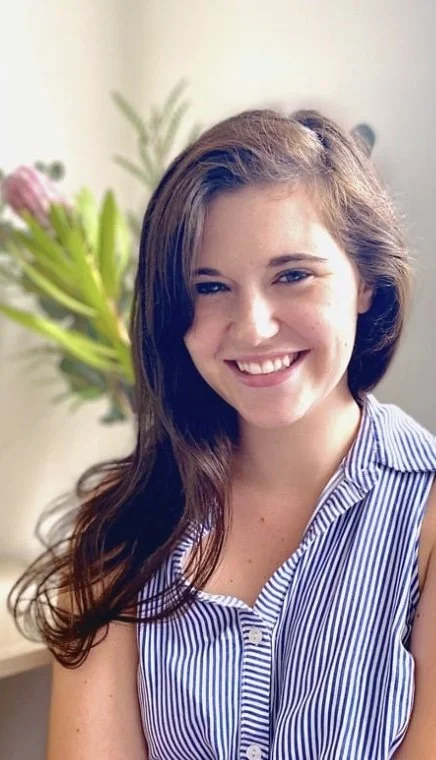
Kaitlyn Kauzor, Ph.D.
Kaitlyn (she/her) is a post-doctoral fellow in neuropsychology at the San Francisco Veterans Affair Medical Center, where she assesses and treats a diversity of older adults with neurocognitive disorders. Kaitlyn earned her doctorate in Combined Clinical/Counseling Psychology from Utah State University. She has conducted extensive research on dementia risk factors and course of illness, psychiatric symptoms in cognitive decline, and caregiver burden. Kaitlyn’s clinical interests include providing neuropsychological services to older adults and connecting patients with community resources that support their needs, as well as support for their family/caregivers.

Alex Weigand, Ph.D.
Alex Weigand (she/they) is a postdoctoral fellow at the University of California San Francisco Clinical Psychology Training Program and Memory and Aging Center. She completed her PhD training at the San Diego State University/University of California San Diego (SDSU/UCSD) Joint Doctoral Program in Clinical Psychology with a focus on Neuropsychology. Alex’s research focuses on characterizing biological and cognitive heterogeneity in preclinical Alzheimer’s disease using multimodal assessments including neuropsychological, subjectively reported, neuroimaging, and biofluid measures. Clinically, Alex is interested in lifespan neuropsychological assessment ranging from ADHD and learning disorders to dementia syndromes, as well as the cognitive effects of primary psychiatric conditions.
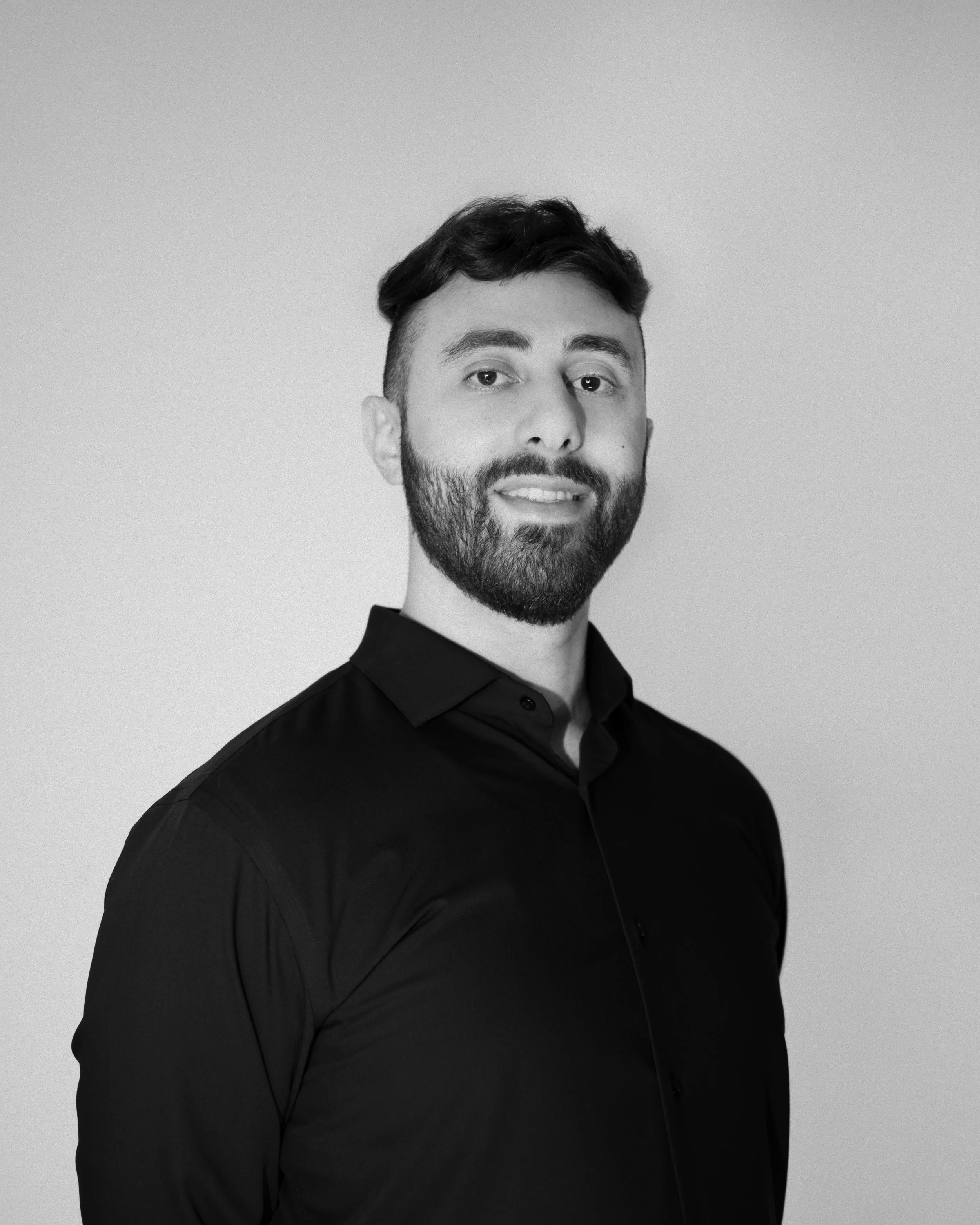
Shant Rising, Ph.D.
Shant (he/him) is a neuropsychology fellow at Cedars-Sinai Medical Center and California Rehabilitation Institute working primarily in neuropsychological assessment and neurorehabilitation with acquired brain injury and disease processes. He completed his internship at Mount Sinai Hospital in NYC. His current clinical and research interests are cognitive and creativity enhancement and rehabilitation as well as the intersection of neuropsychology, technology, and art. Past research has focused on early detection of Alzheimer's disease using neurocognitive assessment and volumetric brain analysis.
Get in Touch!
Get in touch with the Meedk team to learn more about ways to get involved, collaborate, or learn more about seminar/webinars.
